
Bone Grafting for Dental Implants
Rebuilding a Strong Foundation
Bone grafting for dental implants is often the key to making implant treatment possible and predictable. If you have experienced bone loss after tooth loss or advanced periodontal disease, you may not have enough bone to safely support dental implant placement.
Hearing that you need a dental bone graft can feel overwhelming. At Modern Periodontics, your care is guided by advanced periodontal expertise and a compassionate, patient-first approach. Our goal is to rebuild healthy bone, restore your bone structure, and create a solid foundation for long-lasting Dental Implants—all in a calm, supportive environment close to home in Jacksonville, Jacksonville Beach, and Orange Park.
More Information
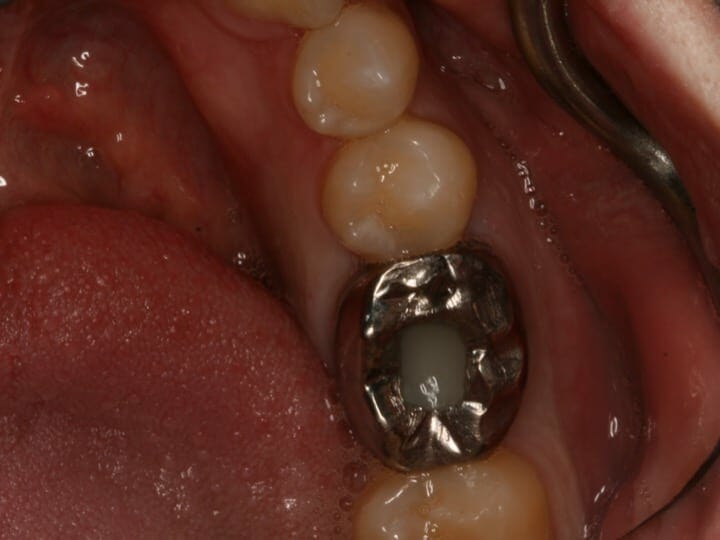
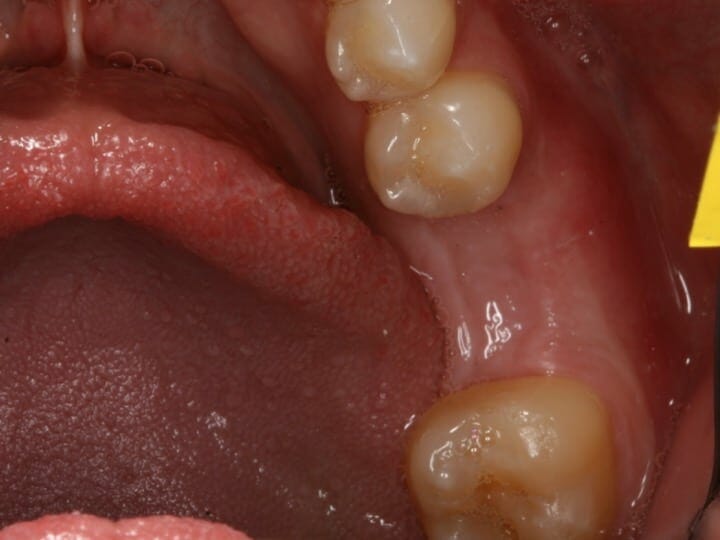
Why is Bone Grafting for Dental Implants Is Sometimes Necessary?
When a natural tooth is lost, the tooth roots no longer stimulate the surrounding bone. Over time, the dental bone in that area begins to shrink. This process can happen quickly, sometimes within the first year after tooth loss. Bone loss may also occur due to:
- Advanced gum disease
- Periodontal disease
- Infection at the surgical site
- Trauma
- Certain medical conditions
As bone volume decreases, the bone density weakens. Without enough bone, placing the implant securely into the upper jaw or lower jaw becomes more difficult.
Bone grafting rebuilds lost bone and stimulates new bone growth, allowing dental implant surgery to proceed safely.
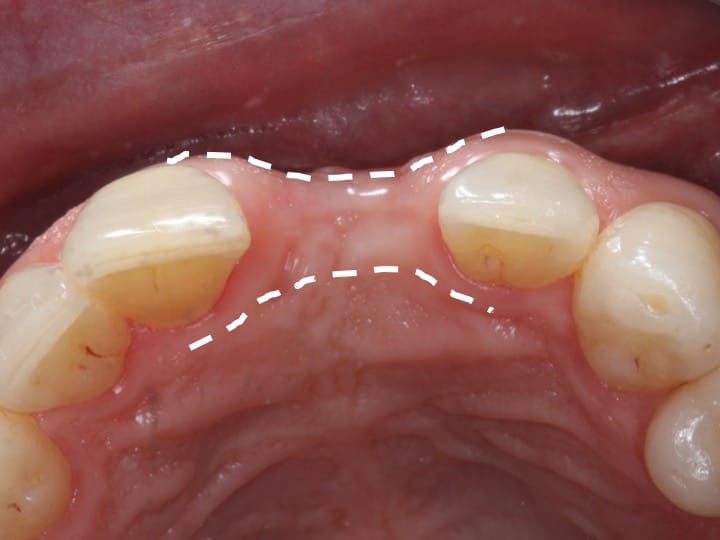
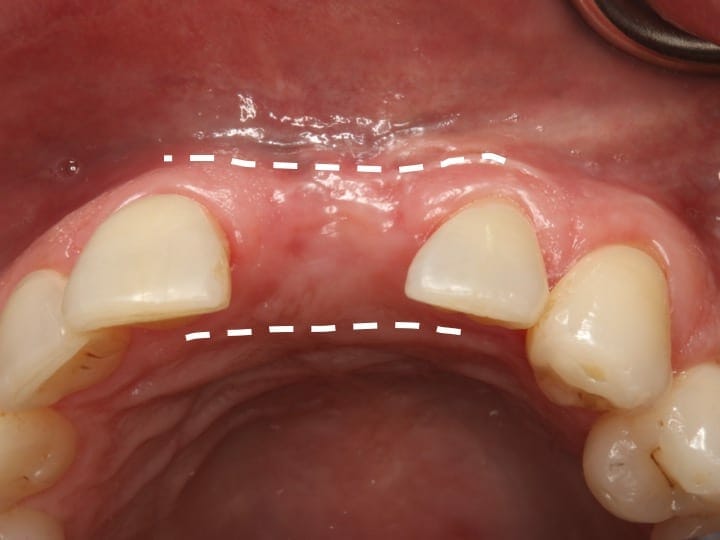
What Is a Dental Bone Graft?
A dental bone graft is a common procedure designed to replace missing bone with grafting material that encourages your body to form new bone.
During a bone graft procedure:
- A small incision is made in the gum tissue.
- The grafting material is placed into the area of bone loss.
- The surgical site is closed to allow healing.
Over time, the graft acts as a scaffold. Bone cells from your own body gradually grow into the graft, forming healthy bone and restoring strength to the surrounding bone. This healing process may take several months, depending on the extent of bone loss and your overall health.
The ultimate goal is simple: create enough bone and a strong enough bone structure to support dental implant placement.
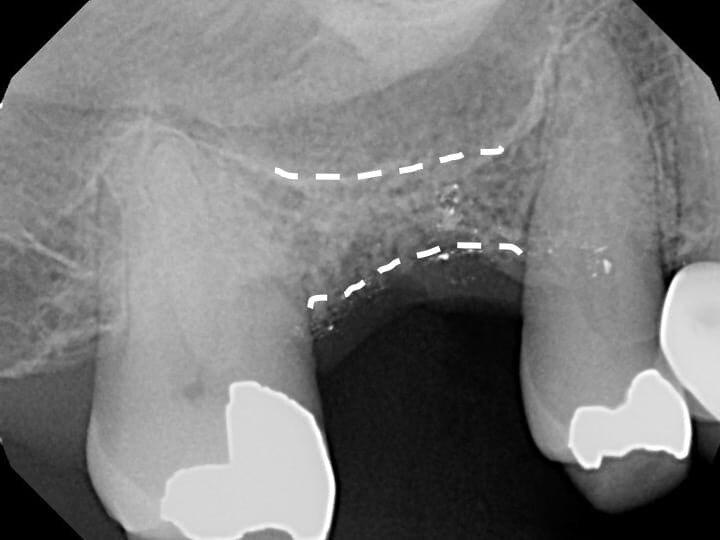
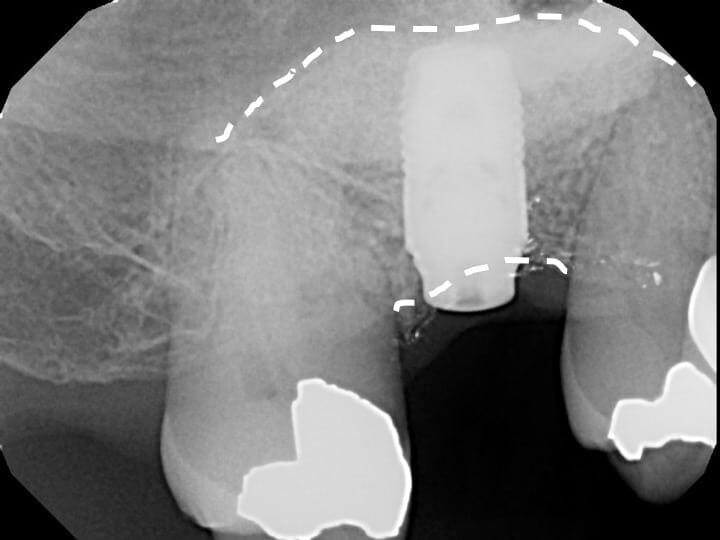
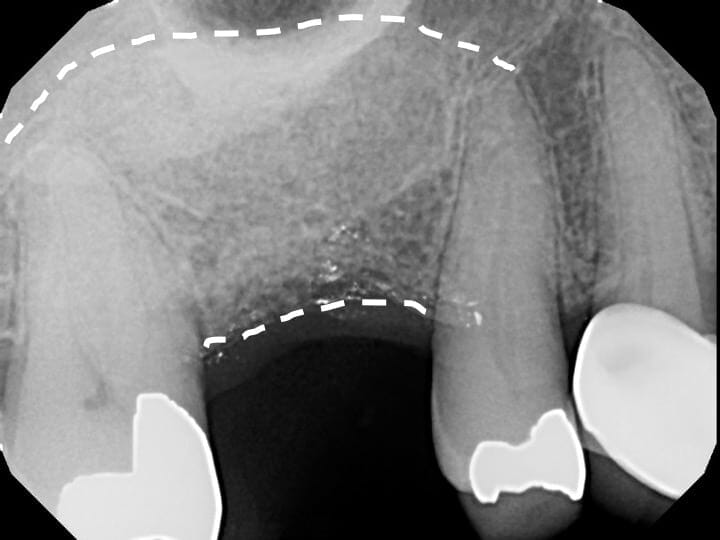
Methods for Grafting
Ridge Preservation (Socket Preservation)
Ridge preservation, also called socket preservation, is performed immediately after a tooth is removed.
When a tooth is extracted, the empty socket can collapse, leading to rapid bone loss. Placing a dental bone graft into the socket at the time of extraction helps preserve the natural bone structure. This approach:
- Minimizes bone volume loss
- Maintains healthy bone for future implant placement
- Reduces the need for more extensive bone augmentation later
If you are planning for artificial teeth or dental implant placement, ridge preservation is often the first step toward maintaining a solid foundation.
Ridge Augmentation for Significant Bone Loss
If bone has already been lost due to missing teeth or periodontal disease, ridge augmentation may be recommended.
Ridge augmentation rebuilds the bone structure of the jaw when there is not enough bone width or height to support the implant. This procedure may involve:
- Additional bone material
- Advanced grafting techniques
- Careful reconstruction of the surgical site
Ridge augmentation helps restore bone volume and improve the long-term stability of the implant. Although it may sound complex, this is a common procedure performed by our experienced periodontal specialists.
Sinus Graft (Sinus Lift) in the Upper Jaw
When replacing teeth in the back of your mouth, particularly in the upper jaw, a sinus graft (also known as a sinus lift) may be necessary.
The upper jaw contains sinus cavities located just above the bone. If bone loss has occurred in this area, there may not be enough bone height for secure dental implant placement. During a sinus lift:
- The sinus membrane is gently elevated
- Bone material is placed beneath it
- New bone growth occurs over time
This increases bone density and creates sufficient bone volume to support the implant safely. If your treatment plan includes implants in the upper jaw, we will determine whether a sinus graft is needed.
Types of Bone Grafts Used in Dental Bone Grafting
There are several types of bone grafts available. The type of graft recommended depends on the extent of bone loss, the location of the implant site, and your individual treatment plan.
Autograft (Your Own Bone)
An autograft uses bone from your own body.
Since it originates from the patient’s own body, it is widely viewed as the gold standard for bone regeneration. It offers several advantages, such as excellent compatibility, a reduced likelihood of disease transmission, and reliable healing outcomes.
In some cases, the bone material may be taken from another area of the jaw during oral surgery.
Allograft (Human Donor Bone)
An allograft uses processed human bone from a human donor. This grafting material is carefully screened and sterilized.
It eliminates the need for a second surgical site and provides reliable results for bone augmentation.
Synthetic and Bioactive Materials
Synthetic material such as bioactive glass may also be used. These materials are designed to stimulate new bone growth while reducing the need for harvesting bone from your own body.
Each type of bone is selected carefully to support faster healing and optimal bone density.
We will clearly explain the type of graft that best fits your needs and answer any questions you may have before any surgical procedure to ensure you feel confident in the decision.
What to Expect During the Healing Process
Bone grafting is typically performed under local anesthesia, and additional sedation options may be available for your comfort. In some cases, general anesthesia may be appropriate depending on the complexity of the procedure.
After surgery, mild swelling or tenderness at the surgical site is normal. Your recovery time will depend on:
- The extent of bone loss
- The type of bone graft used
- Your overall health
- Your oral hygiene habits
Following post-operative instructions carefully supports faster healing and protects the graft. With proper care, new bone forms gradually and integrates with your natural bone, creating a strong foundation for dental implant surgery.
Is Bone Grafting Safe?
When carried out by skilled professionals such as our team at Modern Periodontics, bone grafting for dental implants is both reliable and safe. We thoroughly assess a variety of factors, including your medical history, past gum disease, present oral health, bone density, and any potential risk factors.
Modern grafting material is rigorously tested and processed to eliminate disease transmission risks.
Your safety, comfort, and long-term oral health are always our top priorities.
Why a Strong Foundation Matters for Dental Implants
Placing dental implants requires sufficient bone volume and healthy bone tissue; lacking adequate bone means the implant might not integrate well, stability can be jeopardized, and long-term success may be at risk.
By rebuilding lost bone before implant placement, we improve outcomes and protect your investment in your smile. Bone grafting for dental implants ensures that your artificial teeth function naturally and feel secure.
Frequently Asked Questions About Bone Grafting for Dental Implants
How do I know if I need a bone graft?
If imaging shows missing bone or insufficient bone density at the implant site, grafting may be recommended.
Is bone grafting painful?
The procedure is performed under local anesthesia. Most patients report mild discomfort during recovery.
How long does the healing process take?
Healing varies but typically takes several months to allow new bone growth before dental implant surgery.
Can bone grafting fail?
Complications are rare when proper care and professional guidance are followed.
Will this delay my dental implant placement?
Bone grafting may add time to your treatment plan, but it significantly improves long-term implant stability.
Rebuild Your Smile with Confidence
If you have experienced tooth loss, bone loss, or advanced gum disease, you still have options. Bone grafting for dental implants allows us to restore healthy bone, strengthen your bone structure, and prepare for successful implant placement.
Your oral health is important. Your comfort matters. We are here to guide you clearly and confidently every step of the way toward a stronger, healthier smile.
At Modern Periodontics, your care is delivered with expertise, precision, and compassion throughout Jacksonville, Jacksonville Beach, and Orange Park. Contact Modern Periodontics at any of our convenient locations to schedule a no-pressure consultation today!