
Mucogingival Therapy in Jacksonville
Restoring Healthy Gums and Protecting Your Smile
Mucogingival Therapy is a specialized form of periodontal plastic surgery designed to treat gingival recession, soft tissue loss, and defects near the mucogingival junction. When gum tissue pulls away from the teeth, it exposes vulnerable root surfaces and weakens the natural protective barrier around your teeth and dental implants.
Healthy tissue plays a critical role in maintaining attachment, stability, and long-term oral health. Without an adequate width and thickness of tissue, the risk of sensitivity, inflammation, and further attachment loss increases.
At Modern Periodontics, we provide advanced mucogingival therapy in Jacksonville, Jacksonville Beach, and Orange Park. Our goal is to restore a stable band of soft tissue, improve root coverage, and protect your smile with proven, evidence-based surgical techniques—all with a compassionate, patient-first approach.
More Information
Why Mucogingival Therapy Is Important
The mucogingival junction marks the transition between firm, attached gum tissue and the more flexible lining of the mouth. When soft tissue loss occurs near this area, complications may develop, including:
- Gingival recession
- Marginal tissue recession
- Attachment loss
- Aesthetic problems
- Increased tooth sensitivity
Left untreated, recession can progress and compromise restorative dentistry, oral hygiene, and even the stability of dental implants. The American Academy of Periodontology supports surgical treatment when gum recession threatens function or long-term health.
What to Expect During Mucogingival Surgery
Your surgical treatment is typically performed under local anesthesia for comfort. The procedure may generally involve:
- Creating a small flap
- Harvesting tissue from a donor site (if needed)
- Placing grafting material
- Securing the area with sutures
The surgical site is carefully protected to promote optimal healing. The use of bone is generally not required in mucogingival therapy, as this focuses on soft tissue management rather than bone regeneration.
After mucogingival surgery, mild tenderness or swelling may occur at the treated area or donor site. Healing depends on the surgical procedures/grafting technique used, the thickness of your tissue, your body’s individual response, and the way you maintain oral hygiene practices. Most patients experience a smooth recovery when following post-operative instructions.
Types of Soft Tissue Grafts
Modern Periodontics offers several types of soft tissue grafting procedures. The appropriate surgical technique depends on the extent of gingival recession, tissue thickness, and your overall treatment plan.
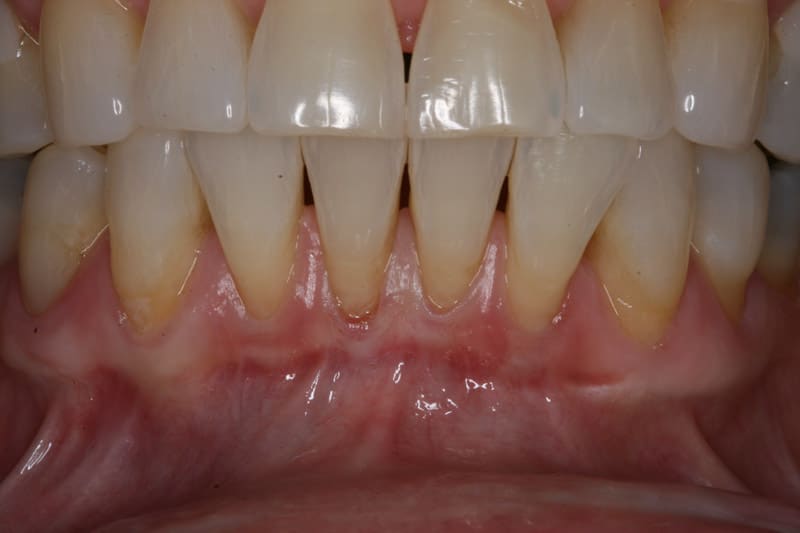
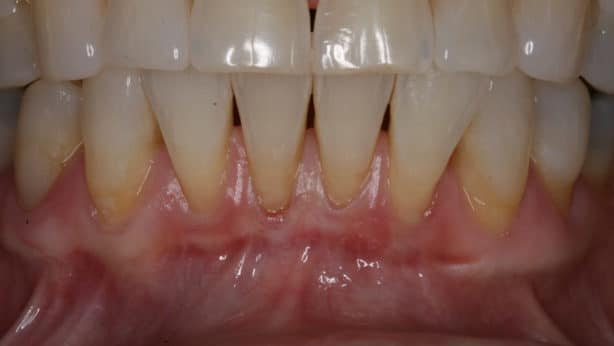
Before

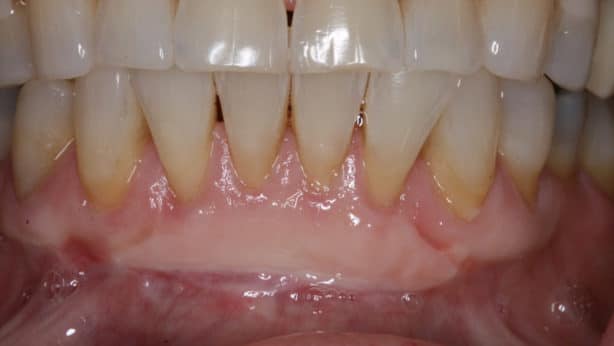
After
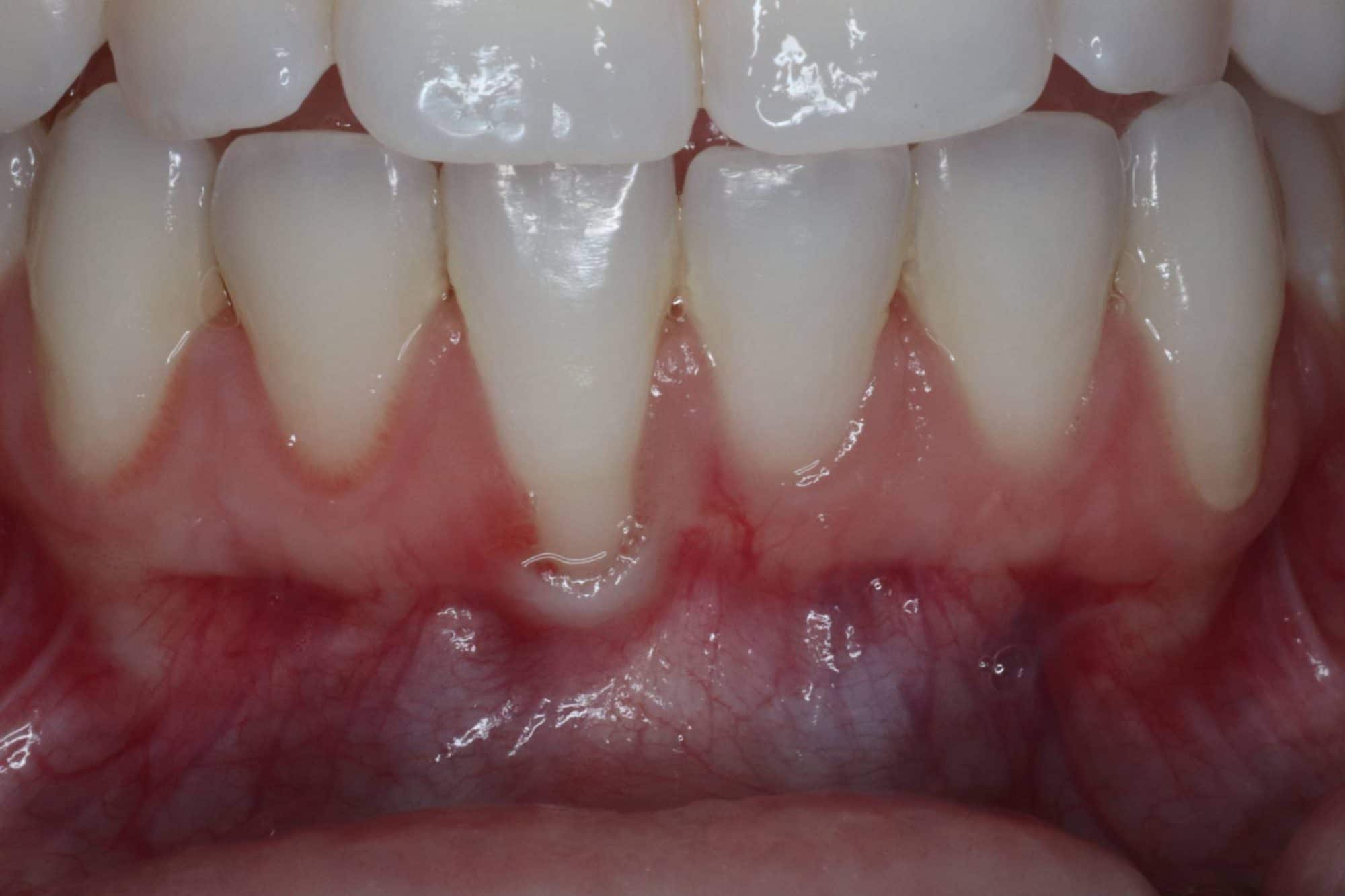
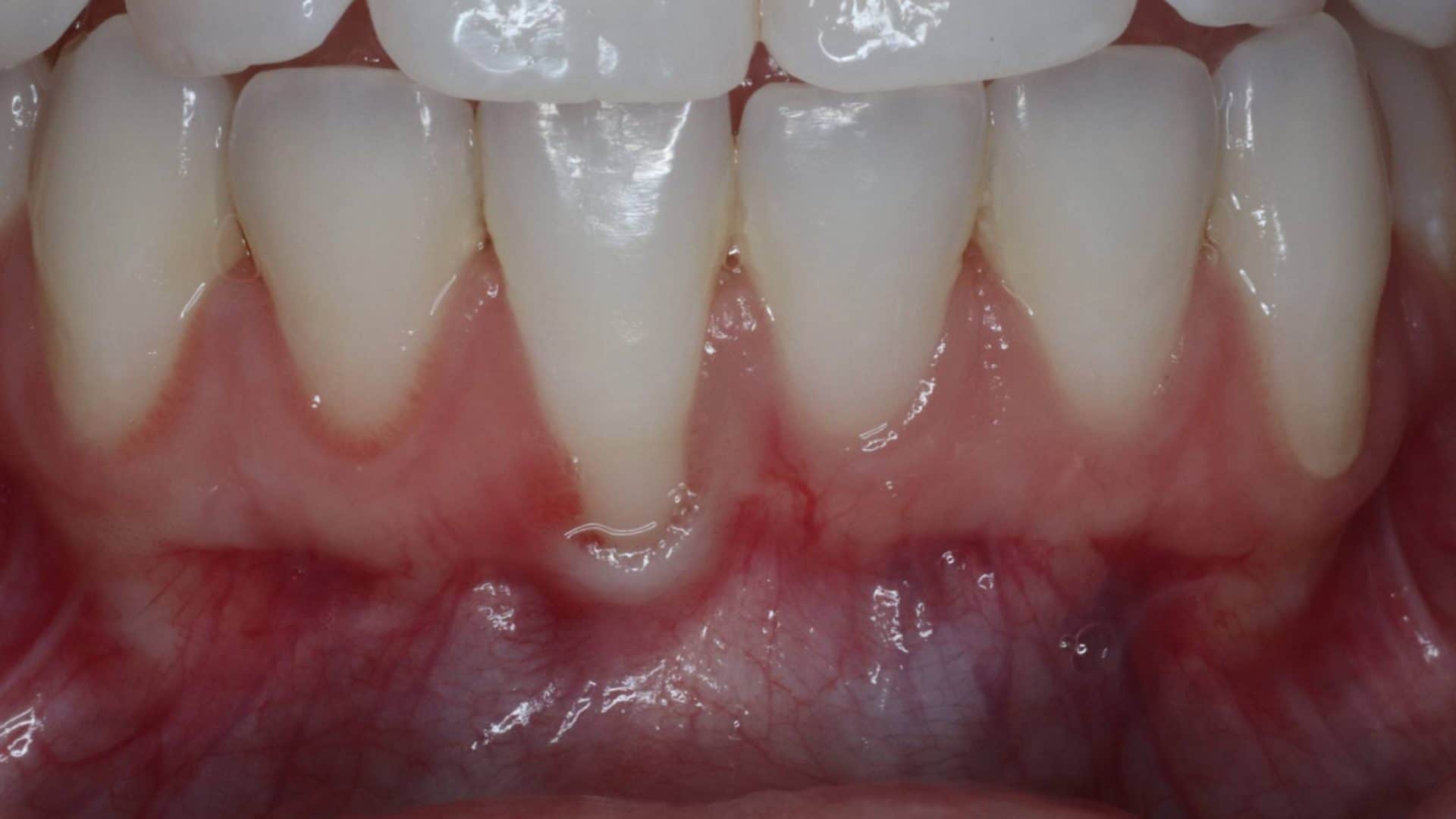
Before
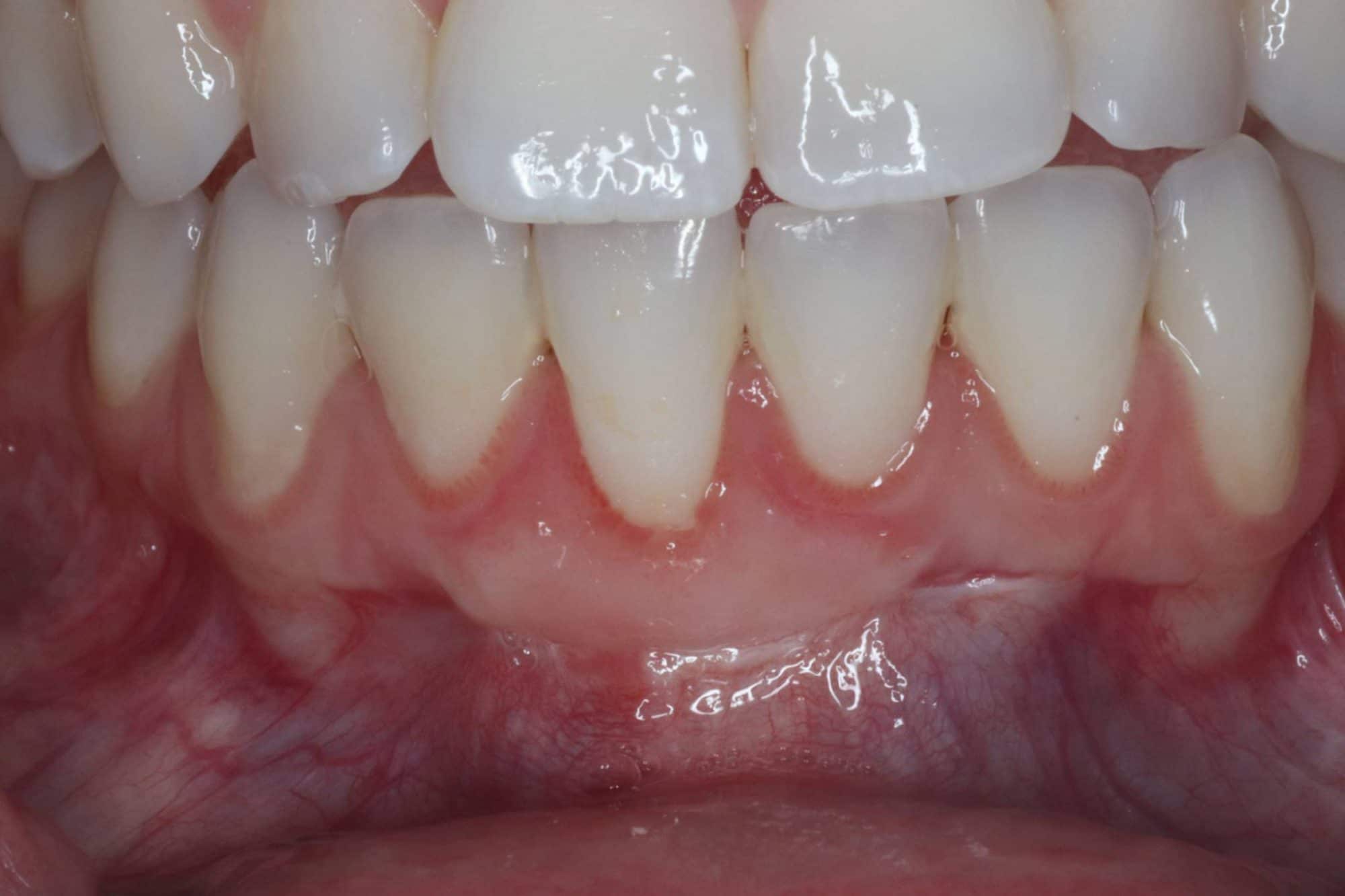
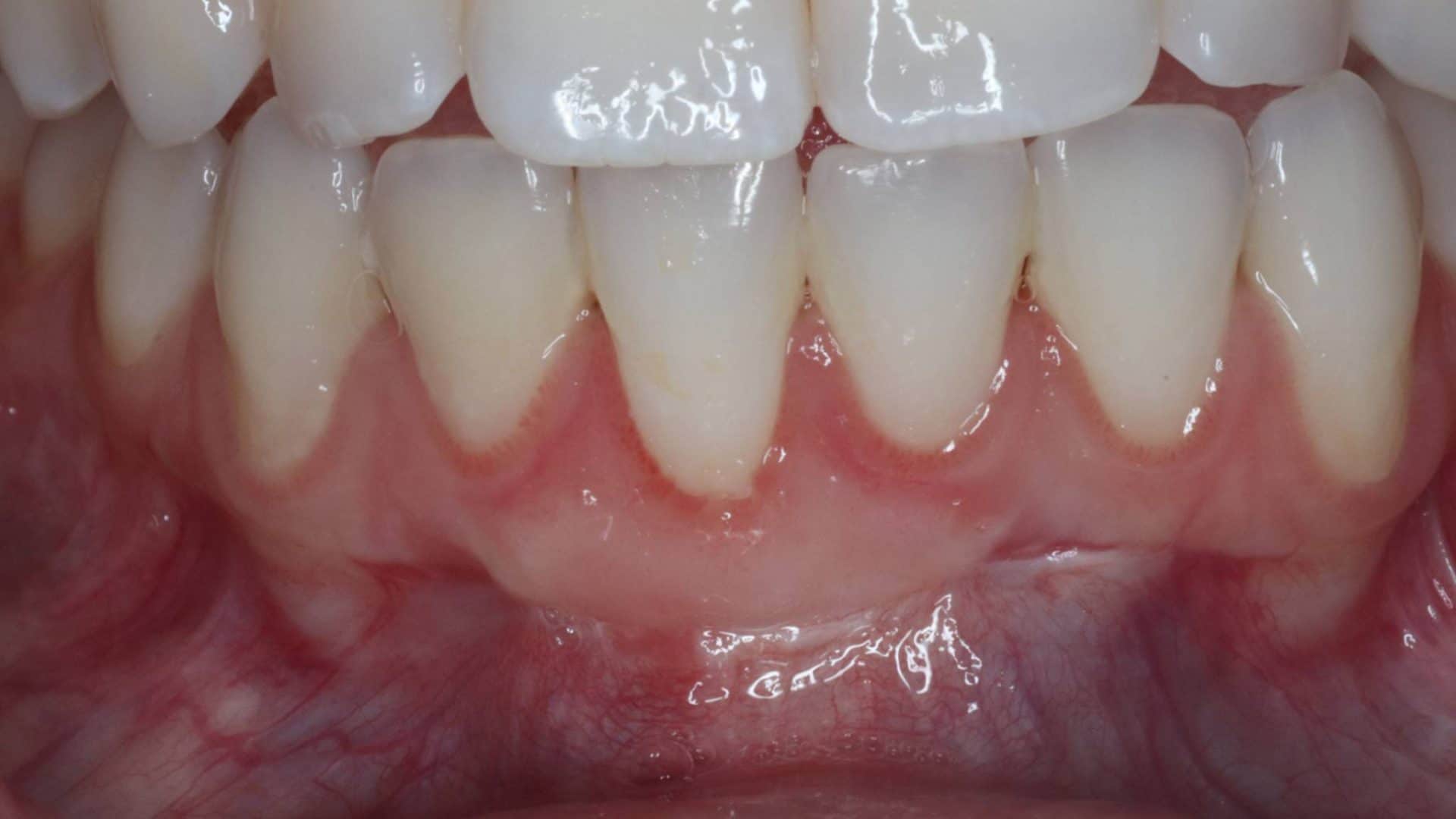
After
There are two basic types of gum tissues around the teeth: mucosa and gingiva. Mucosa is loose and movable, while gingiva is thick and tightly bound, providing better protection against chewing forces, food debris, and bacterial inflammation.
A Gingival Graft is performed to increase the width of the gum tissue around your teeth. For this procedure, a small strip of thick tissue is taken from the palate via a small incision, and then transplanted with secure sutures to the area that requires more gum. Because the tissue taken is quite thin (usually around 1mm), the palate typically heals in a way that feels similar to a mild pizza burn.
This procedure is commonly recommended when:
- There is minimal attached gum tissue
- The stable band of tissue near the mucogingival junction is insufficient
- The goal is to prevent further soft tissue loss
Gingival grafts are especially effective for reinforcing areas at risk and improving long-term attachment.
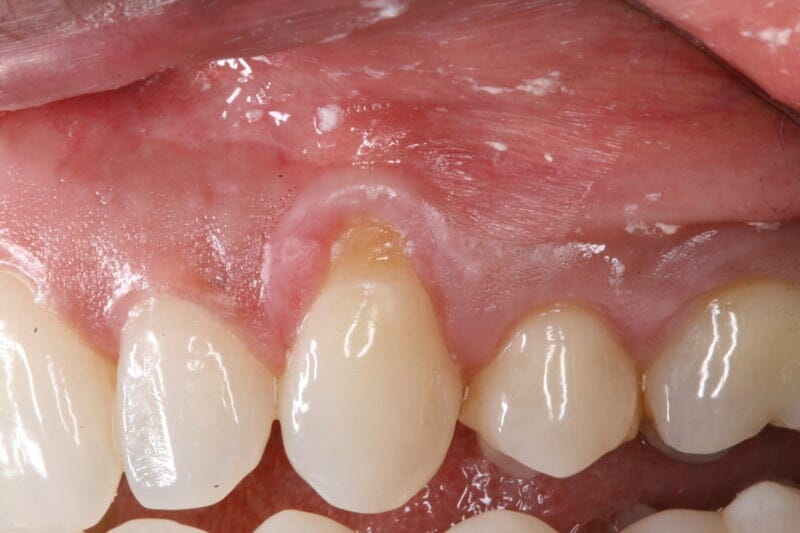
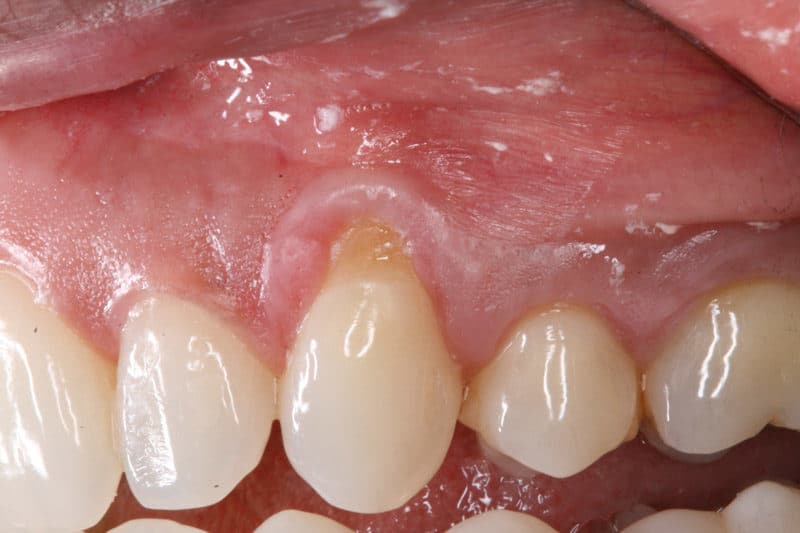
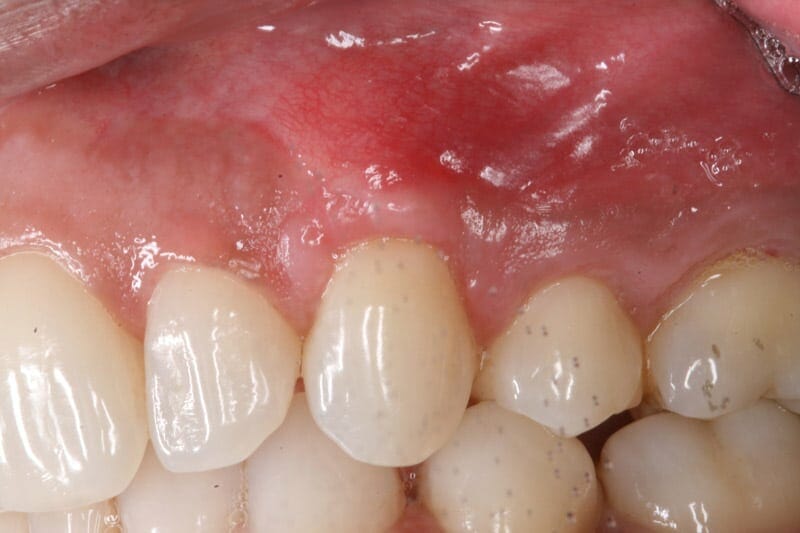
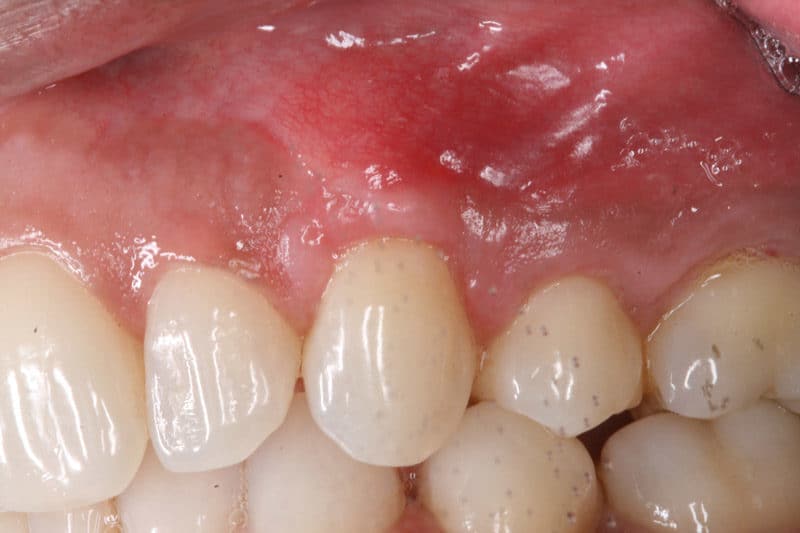
The Connective Tissue Graft is one of the most predictable root coverage procedures available today. It is commonly used to treat gingival recession and exposed roots.
During the procedure:
- A flap is gently created at the surgical site
- Connective tissue is removed from beneath the surface at the palatal donor site
- The graft is positioned over the exposed root
- Sutures stabilize the flap and graft
Because the outer layer of tissue remains largely intact at the donor site, healing is typically comfortable and may only take about two weeks.
Clinical studies, including randomized controlled clinical trials, demonstrate high success rates and strong outcomes for complete root coverage when tissue thickness and attachment conditions are favorable. This approach is often considered the gold standard in periodontal plastic surgery for predictable aesthetic improvement.
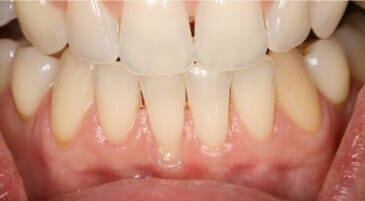
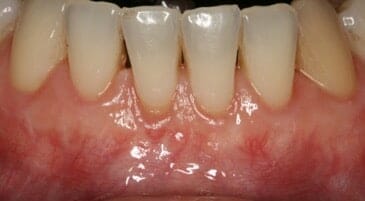
An Allograft uses carefully processed donor tissue instead of tissue from the patient’s own body.
This option:
- Eliminates the need for a palatal donor site (thus avoiding discomfort from a second surgical site)
- Reduces surgical time
- May improve patient comfort overall
Allograft material is thoroughly screened and processed for safety. It serves as a scaffold that integrates with your natural soft tissue during the healing process. For patients concerned about having tissue taken from their own body, an allograft can be an excellent alternative while still achieving strong root coverage results.
Our team will recommend the type of graft best suited to your clinical needs and aesthetic goals, and will answer any questions you may have along the way.
Root Coverage and Aesthetic Improvement
One of the primary goals of Mucogingival Therapy is root coverage: protecting exposed tooth surfaces and restoring the natural gum line.
Root coverage procedures, when successful, can decrease tooth sensitivity, boost esthetics, reinforce attachment, and promote long-term stability. Restoring soft tissue can also improve both oral health and confidence.
In many cases, complete root coverage is achievable. A systematic review of clinical studies supports the effectiveness of connective tissue grafts and coronally advanced flap procedures in achieving predictable outcomes.
Mucogingival Therapy Around Dental Implants
Soft tissue stability is equally important around dental implants as it is for natural teeth. If soft tissue loss develops around implants, it can lead to:
- Plaque accumulation
- Aesthetic concerns
- Increased inflammation
Soft tissue grafting strengthens the protective barrier around implants and improves long-term outcomes in restorative dentistry. Maintaining healthy attachment around both natural teeth and implants supports lifelong oral health.
Benefits of Mucogingival Therapy
Mucogingival Therapy provides significant benefits, including:
- Increased width of the gum tissue
- Improved gum attachment
- Reduced risk factors for further recession
- Enhanced aesthetics
- Greater comfort
- Long-term stability
By restoring a stable band of gum tissue, we strengthen your natural defense against bacteria and protect your investment in restorative dentistry.
Expert Care in Jacksonville
Gum recession and soft tissue loss do not have to compromise your smile. Whether you need a Gingival Graft, Connective Tissue Graft, or Allograft, our team provides advanced, experience-backed mucogingival surgery tailored to your needs.
At Modern Periodontics, your care is delivered with expertise, precision, and compassion throughout Jacksonville, Jacksonville Beach, and Orange Park. Contact Modern Periodontics at any of our convenient locations to schedule a no-pressure consultation today!